
Originally published in the Caltrans Small Business Press, 2026 Issue 2.
He spent nine years behind bars. Now, Jordan Junious is behind the wheel—building a new future.
“This has been life-changing,” said Junious, 30.
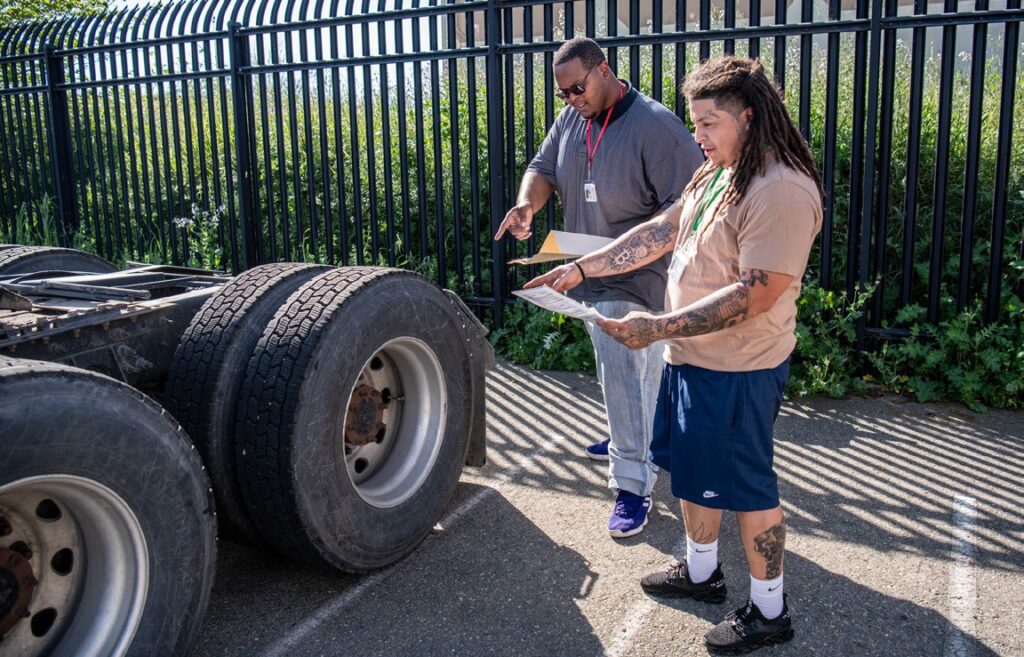
Just a few years ago, Junious was serving a nine-year sentence for assault with a firearm. Today, he is part of a workforce training cohort preparing for a commercial driver’s license (CDL) and a new career.
“With that much time, you reflect,” he said. “You either grow from it or go the other way. This showed me what I’m capable of.”
Junious is one of a select group chosen for a joint training effort between Caltrans and the Sacramento Employment and Training Agency (SETA), designed to prepare participants—including individuals with barriers to employment—for careers in trucking and transportation. More than 700 people applied for the program. Caltrans sponsored seven participants, and SETA funded six – including Junious.
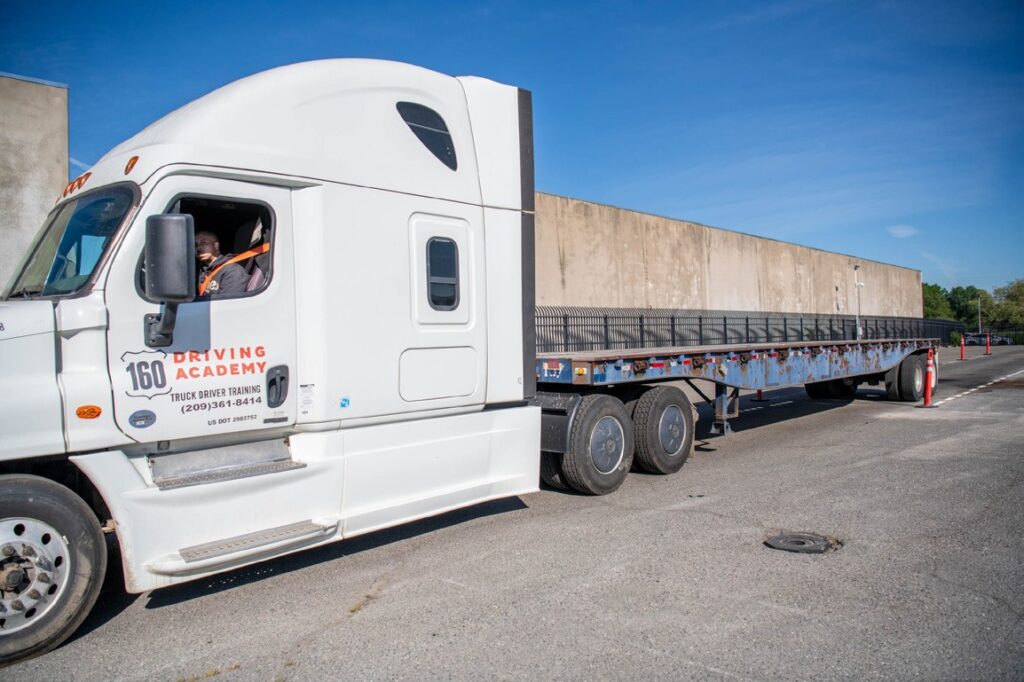
The program combines hands-on CDL training through 160 Driving Academy with direct connections to employers, including Caltrans, private carriers, and local government agencies.
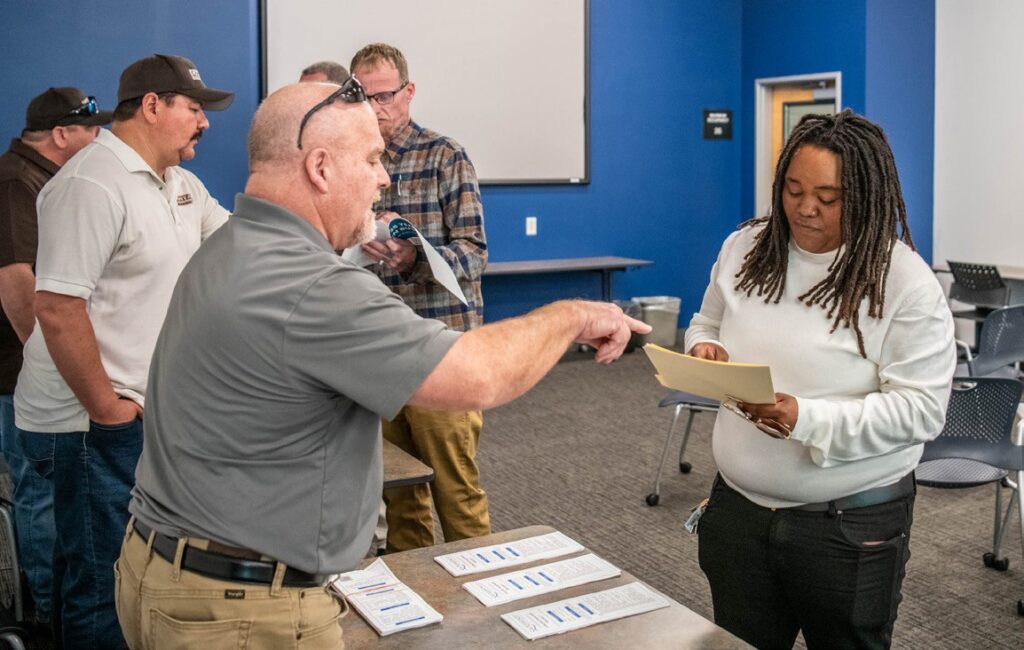
At a recent employer day in Sacramento, participants met recruiters, explored job options, and learned what comes next after earning their licenses.
“You’re not just getting a license. You’re getting a pathway,” said Caltrans Workforce Development Branch Chief Gisela Everhard, who helped launch the partnership.
The demand is real. California is projected to have more than 18,000 truck driver openings each year, driven by retirements, turnover, and continued freight demand. Nationwide, the industry faces a shortage estimated between 60,000 and 80,000 drivers.
For participants like Kourtney Butler-Rishton, 34, the opportunity is both professional and personal.
“I saw the ad on Facebook right after Christmas,” she said. “I didn’t get in at first, but when they called me back, it gave me hope.”
The only woman in training, Butler-Rishton said the experience has been challenging, but empowering.
“I don’t just want to do the job. I want to know the job,” she said. “Women can do this work just as well as men.”
Others echoed the impact.
“It’s been awesome,” said Joshua Cagibula, 27, who applied after a friend shared the opportunity.
Roger Keith, 37, said the one-on-one instruction stood out. “It’s a lot,” he said. “But if you’re passionate about it, it doesn’t feel like it.”
The training also connects participants directly with employers ready to hire.
Capital Express Lines, a Sacramento-based carrier with more than 100 trucks, is among the companies recruiting new drivers. The company offers opportunities for both team and solo drivers, with benefits and the potential to be home on weekends.
“We’re one of the few companies that will hire brand-new drivers,” said Senior Account Manager Andy Rakstad. “Here, you’re not a number. You’re a name.”
Public sector employers are also hiring.
At Caltrans, entry-level maintenance positions can lead to long-term careers, with opportunities to advance into leadership roles without a college degree.
“You will always be able to rely on the license you are earning today,” said Maintenance Area Superintendent RJ Hickman. “And you’ll be home every night.”
Sacramento County is facing similar workforce needs, with hundreds of driver positions to fill as its workforce ages.
Behind the program is a broader goal: connecting people to stable, well-paying careers while helping meet California’s growing workforce demands.
Six months ago, SETA and Caltrans began building the partnership that made the cohort possible.
“This is just the beginning,” said SETA Workforce Development Manager William Walker. “It’s about creating real opportunities and long-term careers.”
For Junious, the impact goes beyond employment.
“It changed how I see myself,” he said. “Not just my career—my future.”
As new cohorts launch in Humboldt and San Bernardino counties later this spring, Caltrans and its partners hope to expand that impact—one driver and one opportunity at a time.